


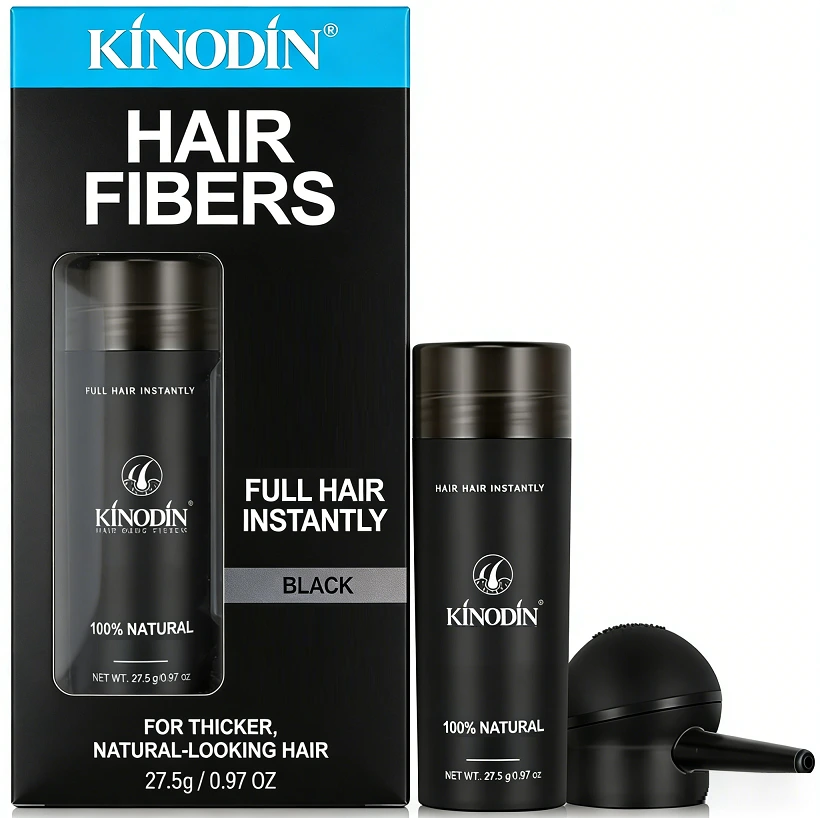
Private Label Plant-Based Cotton Hair Building Fibers
Private Label Plant-Based Cotton Hair Building Fibers
KINODIN develops private label plant-based cotton hair building fibers for hair-concealer brands, distributors, salons and e-commerce retailers seeking an alternative to animal-derived keratin fibers. Projects may include cotton-fiber specification, complete composition review, nine standard shade directions, custom color matching, controlled sifter bottles, labels, retail cartons and finished-product quality checks. Vegan positioning can be evaluated only after every fiber, colorant, processing aid and packaging-relevant input has been reviewed for animal-derived content; it is not established by the word cotton alone. These fibers provide temporary cosmetic coverage and a fuller-looking appearance. They do not prevent hair loss or stimulate hair growth.
Why Retain This Product Page?
This page can serve buyers specifically looking for plant-based cotton fibers rather than keratin-based hair building fibers. That is a meaningful material distinction when the composition is verified. It creates a clearer search and purchasing intent than broad claims such as organic, herbal, ethical or all-natural.
The product should be presented as a standard bottle of cotton-derived dry fibers. The existing 27.5g statement belongs to the separate professional or value-size page and should not remain here. Bottle size and net content can be selected according to the buyer's product architecture without turning this into another size-specific page.
Cotton Fiber vs Keratin Fiber
| Review point | Plant-based cotton fibers | Keratin-based fibers |
|---|---|---|
| Material direction | Processed cotton-derived fibers | Protein-based fibers, commonly animal-derived |
| Brand positioning | Plant-based product direction | Traditional premium keratin direction |
| Vegan assessment | Possible after complete composition and process review | Generally unsuitable when animal-derived keratin is used |
| Specification focus | Fiber fineness, length, flow, color and processing | Fiber dimensions, texture, protein source, flow and color |
KINODIN can discuss both cotton hair building fibers and keratin hair building fibers, but the materials should not be combined casually in one product claim. The approved formula and supplier documents determine the correct category.
Cotton Material and Processing Review
Plant-based positioning begins with verified material identity. Review may include cotton source, complete composition, processing aids, colorants, antimicrobial controls, fiber dimensions, moisture, bulk density, static behavior and batch traceability. The finished ingredient wording should follow the supplier specification and destination-market labeling rules.
Cotton-derived fibers are processed materials, not raw herbs. The presence of cotton does not justify describing the product as herbal. Likewise, plant origin does not automatically establish natural, organic, chemical-free, non-toxic, biodegradable or environmentally superior status.
What Is Required for Vegan Positioning?
A vegan claim requires more than replacing keratin with cotton. The complete finished composition should be reviewed for animal-derived fibers, binders, colorants, processing agents and other inputs. Supplier declarations, manufacturing controls and potential cross-contact considerations may also be relevant to the buyer's claim standard or third-party certification program.
KINODIN can support a vegan-positioned project review, but the public page should not state that every customization is certified vegan. If a brand requires a certification logo, the certification body, scope, manufacturing site, product formula and artwork authorization must be confirmed before printing.
Why “Organic” and “Herbal” Should Be Removed
Organic status normally requires defined agricultural inputs, chain-of-custody information and certification or another recognized basis appropriate to the target market. A finished colored fiber product cannot be called organic simply because the main structural material began as cotton.
The current page also does not identify a real herbal ingredient, its INCI name, concentration or function. Adding an unspecified botanical powder could change color, flow, odor, moisture, microbial risk and sifter performance. If a buyer requests a botanical concept, it should be treated as a separate formulation project with technical and claim review—not retained as a generic “herbal” attribute.
Fiber Dimensions, Texture and Dispensing
Fiber dimensions influence visual distribution, blending and bottle output. Cotton-fiber projects should define an acceptable length and fineness range rather than relying on words such as micro, ultra-fine or seamless. Bulk density, static behavior, moisture and cutting consistency also affect how the product moves through a sifter.
The selected specification should be checked against the actual bottle and sifter. A fiber that appears acceptable in a bulk bag may release too quickly, bridge across the openings or leave excessive residue in a different component. Production approval should cover both the material and its dispensing system.
Nine Standard Shade Directions
KINODIN's confirmed standard system contains Black, Dark Brown, Medium Brown, Light Brown, Dark Blonde, Medium Blonde, Light Blonde, Gray and White. The old page's inconsistent seven- and ten-color references should be removed. A buyer may launch fewer shades or request additional custom tones after color development.
Physical samples should establish depth, undertone and production tolerance. The same commercial shade name can look different across cotton and keratin materials because fiber structure affects light reflection and visual blend. Review KINODIN's hair concealer color matching process.
Standard Sifter Bottle and Packaging Options
The core product uses a standard retail fiber bottle with a controlled sifter. Projects may customize the bottle size, color, neck, sifter insert, cap, label, direct printing, individual carton, shade identification, tamper evidence and batch coding. Net content should be confirmed after the selected fiber's bulk density and bottle capacity are evaluated.
Plant-based fibers do not automatically make the bottle eco-friendly. Any recycled-content, recyclable, reduced-plastic or refill claim should identify the specific component and evidence. See KINODIN's packaging development service for component and artwork review.
Optional Applicator, Hold Spray and Refill Extensions
This page is positioned around a standard sifter bottle, keeping it distinct from the dedicated plant-based applicator kit. A manual hair fiber applicator may still be evaluated as an optional extension when the bottle, adapter and fiber pass compatibility testing.
Brands may also develop a separate fiber hold spray or hair fiber refill pack. Each component needs its own formulation, material, packaging, claims and quality review. The loose fibers should not inherit waterproof, sweatproof or strong-hold claims from an untested accessory.
Finished-Product Quality Control
Quality review should cover the approved cotton material, selected shades, filling, bottle, sifter, artwork and finished retail pack. The approved sample, color reference, component specification and packaging standard establish the production criteria.
| Control area | Example checks | Purpose |
|---|---|---|
| Incoming materials | Identity, composition, supplier records, colorants and traceability | Confirm approved cotton-derived inputs |
| Fiber attributes | Dimensions, appearance, shade, moisture, density, static behavior and flow | Control visual and dispensing consistency |
| Microbiological controls | Applicable finished-product limits and handling controls | Support product quality and release |
| Filling and dispensing | Net content, fill consistency, headspace, sifter output and residue | Verify the approved bottle system |
| Finished package | Closure, shade ID, coding, artwork, carton and integrity | Support release and repeat-order control |
See KINODIN's quality control page for the wider process.
Claims and Product Boundaries
Appropriate cosmetic wording may describe temporary scalp concealment and the appearance of fuller- or thicker-looking hair. “Instant” may describe the visible cosmetic effect during application, but it should not be connected to hair growth, biological change or a guaranteed time such as complete coverage in 30 seconds.
Remove hair-loss treatment or prevention, follicle activation, waterproof, windproof, rain-resistant, sweatproof, all-day, no-clumping, no-shedding, completely invisible, perfect match, non-irritating and safe-for-sensitive-scalp wording without appropriate finished-product evidence. The product does not replace medical evaluation or change hair growth.
Documentation Support
Available documents may include material specifications, supplier declarations, composition and colorant information, batch traceability records, a finished-product specification, certificate of analysis, safety data information where applicable, packaging specifications and selected quality documents. Availability depends on the confirmed material, shades, bottle and destination market.
Vegan or organic certification is not included automatically. When a buyer needs a formal logo or claim, agree the certification standard, product scope, supplier evidence, manufacturing review and artwork authorization before production. The buyer remains responsible for final label review and local market requirements.
Samples, MOQ and Lead Time
Sampling can evaluate cotton material, selected shades, visual blend, fiber flow, sifter output, bottle capacity and retail presentation. A pre-production sample should use the approved fiber, bottle, label and carton whenever available. Sample availability and cost depend on the project stage and customization.
MOQ depends on quantity per shade, fiber preparation, net content, bottle, sifter, decoration, cartons, accessories, testing and documentation. Lead time is confirmed after material, shades, components, artwork and release requirements are approved. Review KINODIN's MOQ and sampling guidance.
Private Label Development Process
Define the material brief
Confirm cotton direction, target market, claim requirements, shades and commercial channel.
Review composition
Check fibers, colorants, processing inputs and the requested vegan-claim standard.
Approve shades and samples
Evaluate color, texture, visual blend, flow and sifter performance.
Finalize packaging
Confirm net content, bottle, sifter, label, carton, directions and permitted claims.
Produce and fill
Prepare approved shades, control fiber processing and complete the specified fill.
Inspect and release
Check material, shade, net content, dispensing, artwork and finished packaging.
Frequently Asked Questions
What material does this page represent?
It represents cotton-derived, plant-based dry hair building fibers. Final composition and supplier information must be confirmed for the finished product.
Can cotton and keratin be combined in a vegan product?
Animal-derived keratin conflicts with a vegan positioning. A vegan-directed project should exclude keratin and review every other input and process requirement.
Are these fibers certified organic?
No certification is implied. Organic wording requires an applicable certification or another recognized evidence basis for the exact finished product and market.
What herbal ingredients are included?
No generic herbal ingredient is assumed. Any botanical addition requires a separate formula, INCI, concentration, stability, microbial, color, flow and claim review.
How many standard shades are available?
KINODIN's confirmed system contains nine shade directions. Final colors and custom matches should be approved using physical samples.
Is this a 27.5g product?
Not on this page. Net content is selected for each project. KINODIN maintains a separate 27.5g professional or value-size product page.
Can an applicator or hold spray be added?
Yes. Accessories can be evaluated as separate extensions after bottle, fiber, dispensing, packaging and claim compatibility review.
Do plant-based fibers prevent hair loss?
No. They provide temporary cosmetic coverage and do not prevent shedding, treat alopecia or change hair growth.
What determines the MOQ?
MOQ depends on shades, material preparation, filling weight, bottle, sifter, decoration, cartons, accessories, testing and documents.
Develop a Plant-Based Cotton Hair Fiber SKU
Send KINODIN your target market, cotton-fiber requirement, vegan-claim standard, shade mix, net content, bottle preference, retail channel, order quantity, artwork concept and document checklist. The team will review the material, composition, dispensing system, samples, packaging and quality requirements before confirming a proposal.
Email: sales@kinodin.com Contact KINODINProduct notice: Hair building fibers are temporary cosmetic concealers. Cotton origin does not automatically establish vegan, organic, natural, herbal or environmental claims. Material identity, complete composition, shades, net content, directions, warnings, packaging, testing and documents must be confirmed for the finished product and destination market.
contact us
contact us for free sample !
Copyright © 2026 Foshan Younik Cosmetics Co., Limited. All Rights Reserved.